|
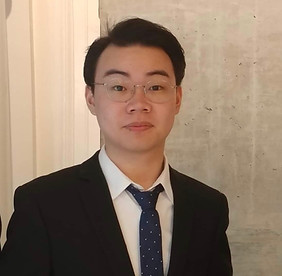
Tao Zhong I'm a Ph.D. student at Princeton University, supervised by Prof. Christine Allen-Blanchette. I received my B.A.Sc. in Engineering Science from the University of Toronto, where I worked with Prof. Animesh Garg. Previously, I interned at Noah's Ark Lab Canada with Prof. Yang Wang on computer vision and domain generalization, and worked with Prof. Huihuan Qian at AIRS and CUHK(SZ) on marine robotics. Feel free to check out my CV or send me an Email if you want to connect. |
|
Research InterestsMy research focuses on Physics- and Geometry-Aware Deep Learning. I develop novel machine learning and generative techniques that exploit the mathematical structure of the physical world, including symmetries, topology, and physical laws, to solve complex problems in:
|
Publications* denotes equal contribution |
|
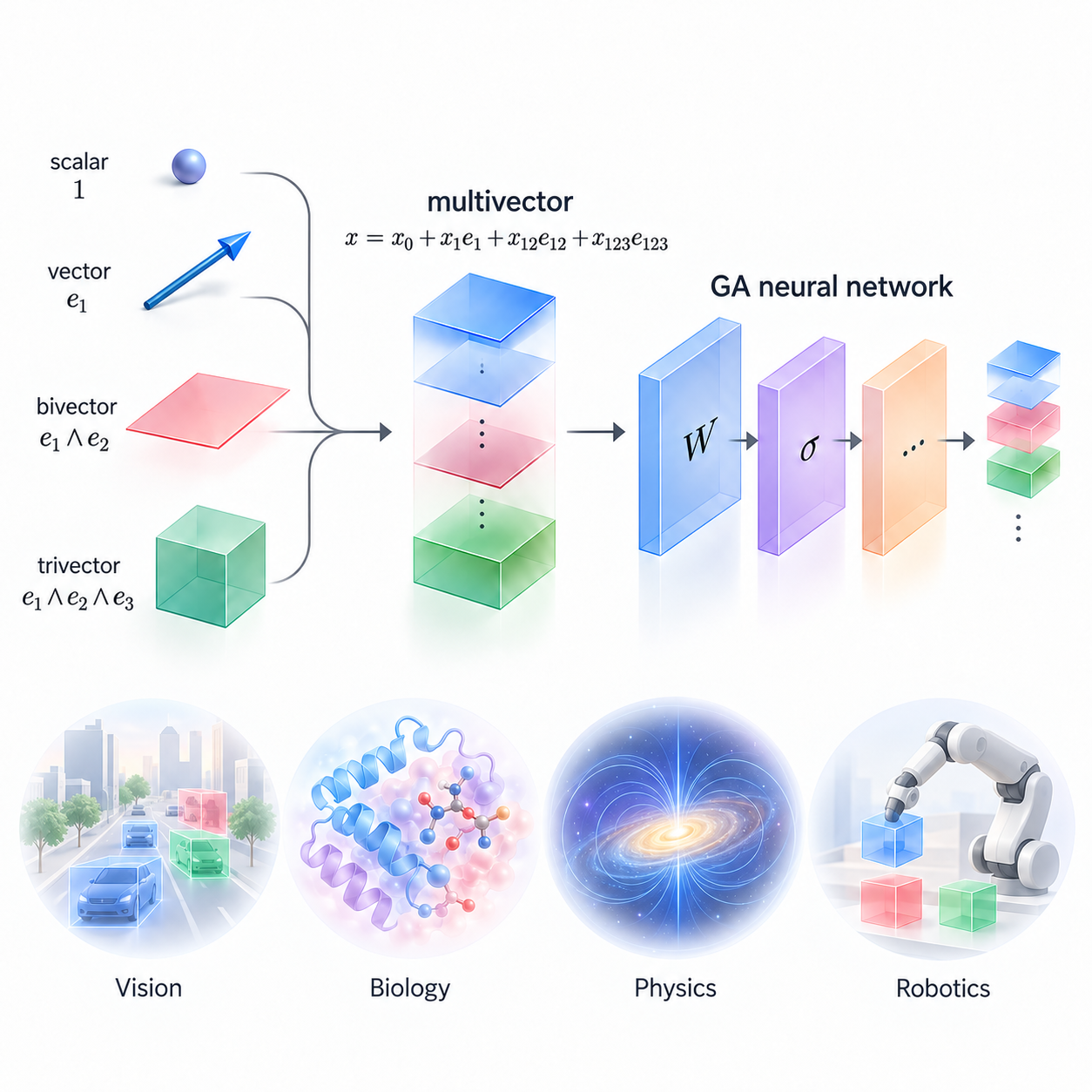
Geometric Algebra for Neural Networks: A Survey
Tao Zhong, Kaison Fong, Keqin Wang, Christine Allen-Blanchette Preprint, 2026 project page / arXiv We survey geometric algebra neural networks, covering architectures, equivariance, applications, and software, with practical guidance on algebra selection and empirical performance tradeoffs. |
|
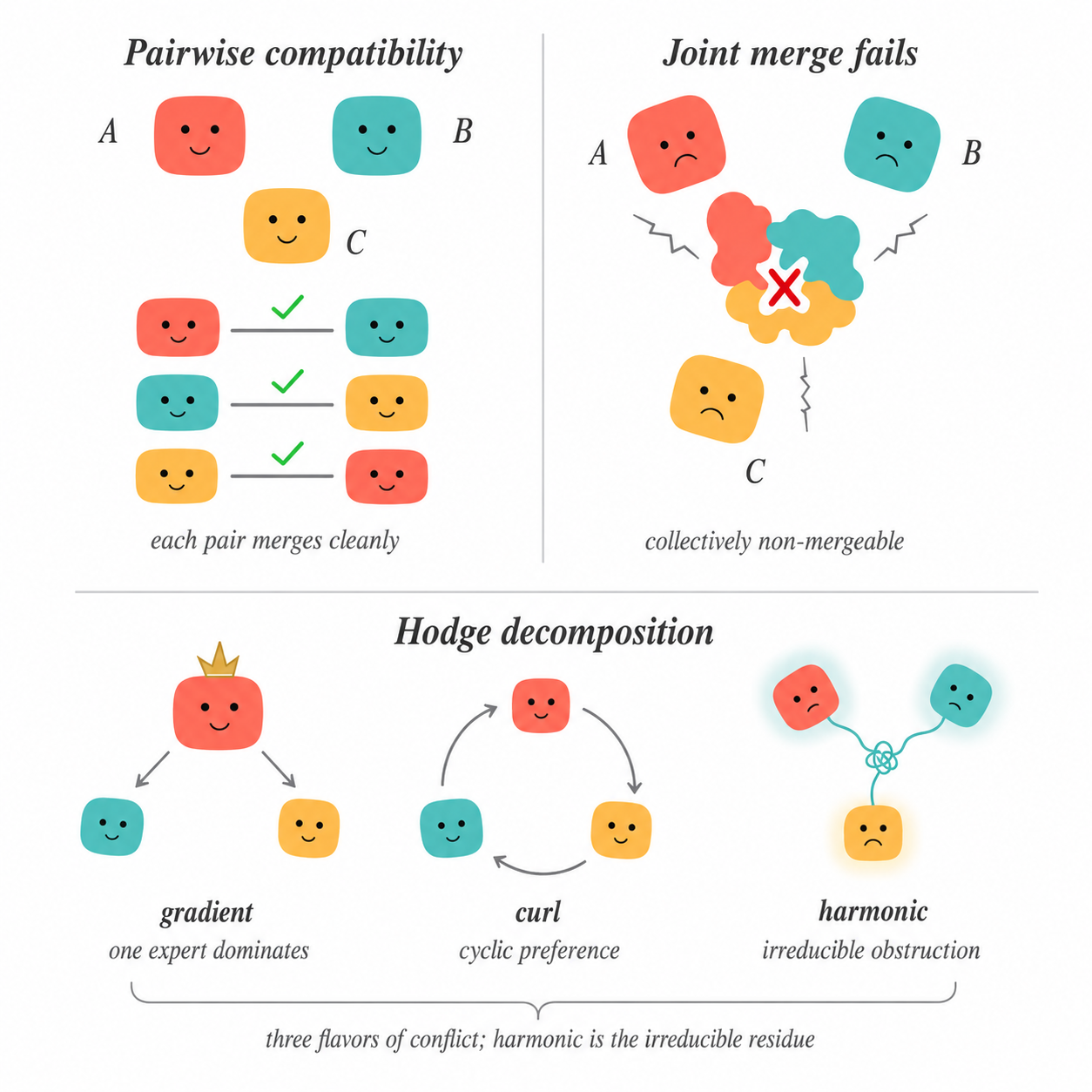
HodgeCover: Higher-Order Topological Coverage Drives Compression of Sparse Mixture-of-Experts
Tao Zhong, Dongzhe Zheng, Christine Allen-Blanchette Preprint, 2026 arXiv HodgeCover is a learning-free MoE compressor that selects survivor experts via submodular coverage of harmonic-critical edges and triplet-critical triangles on a simplicial complex. |
|
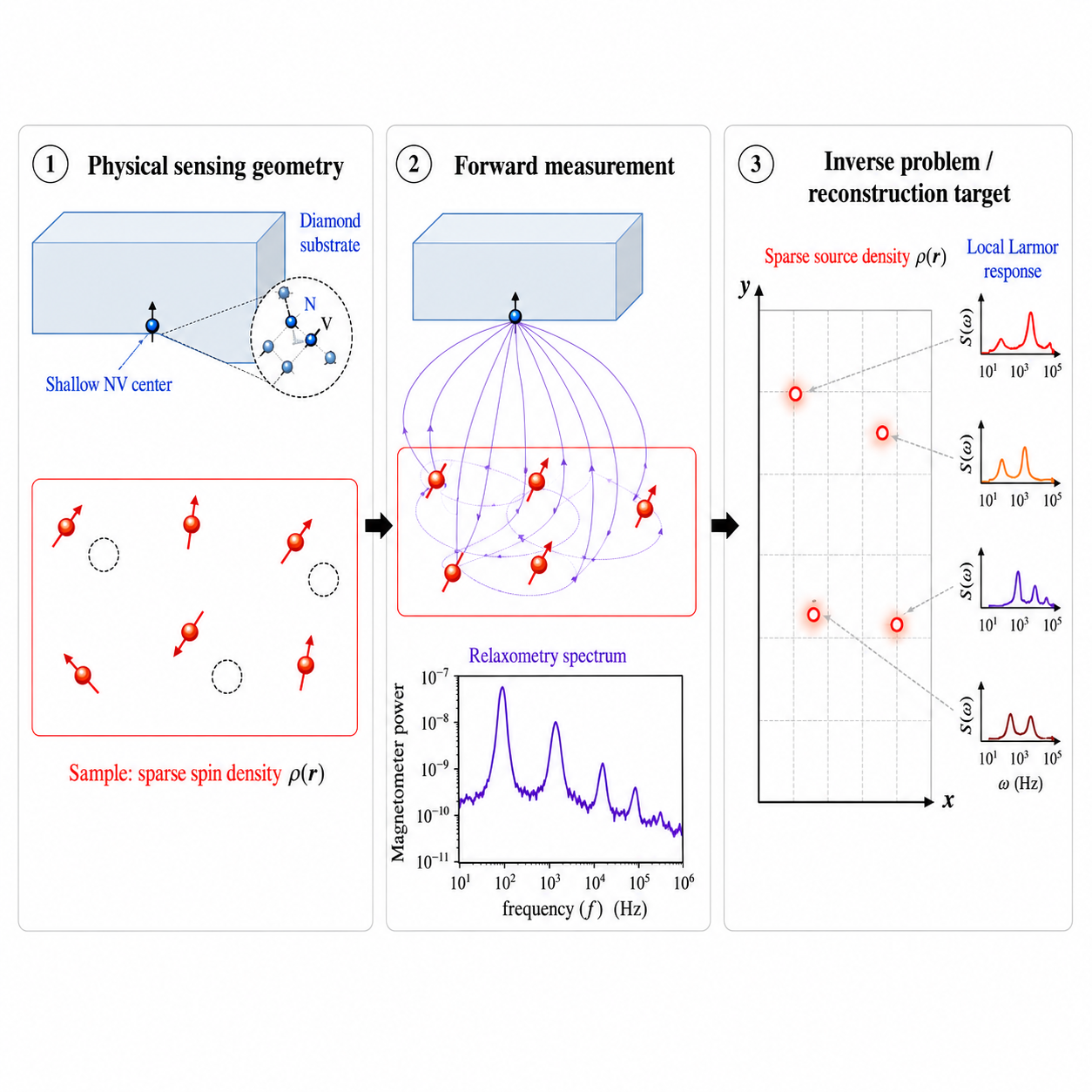
Neural Fields for NV-Center Inverse Sensing
Zhixuan Zhao*, Tao Zhong*, Yixun Hu, Nathalie P. de Leon, Christine Allen-Blanchette Preprint, 2026 arXiv We propose NeTMY, a coordinate neural field with a physics-faithful tensor forward operator that inverts NV-center noise spectra into sparse spin sources. |
|
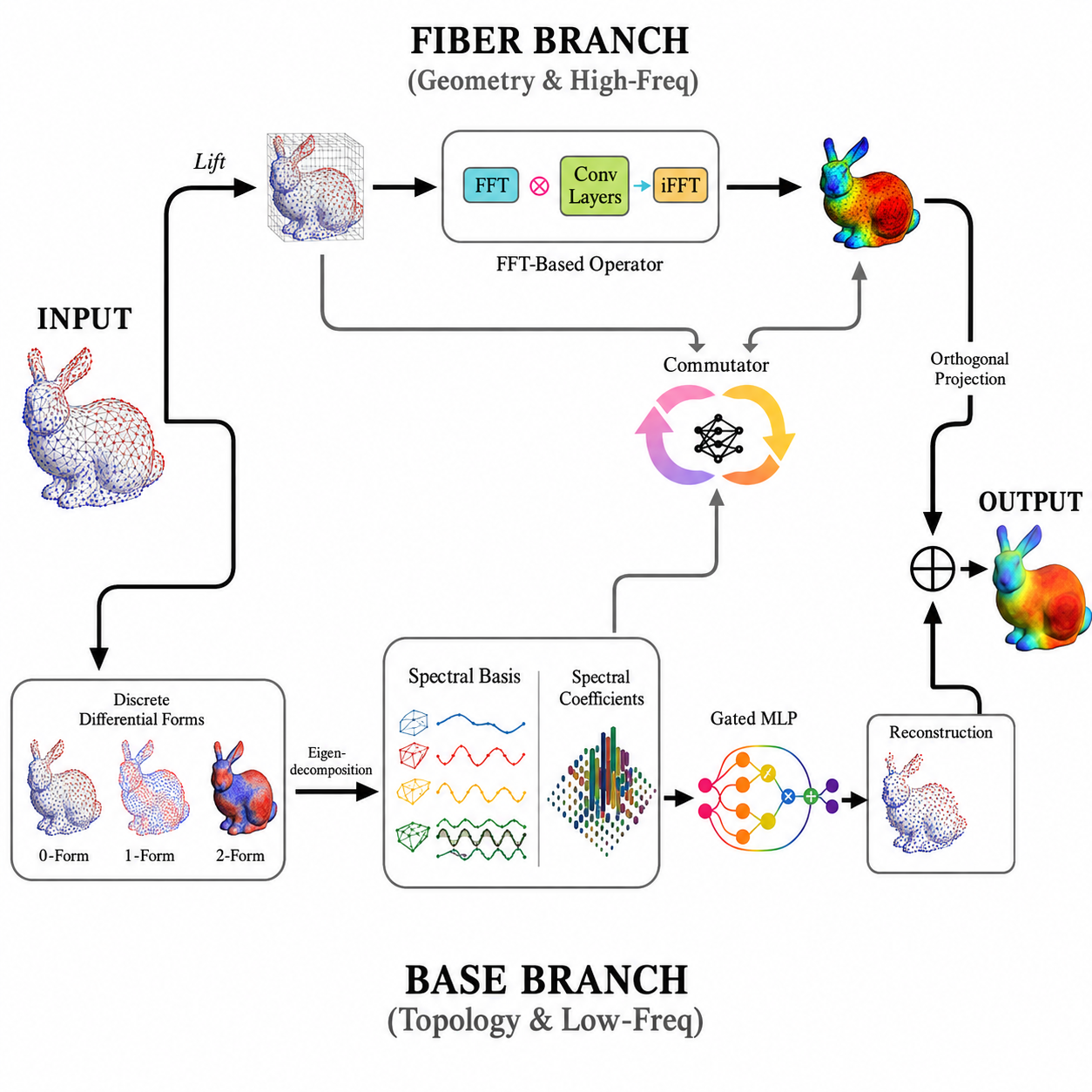
Topology-Preserving Neural Operator Learning via Hodge Decomposition
Dongzhe Zheng, Tao Zhong, Christine Allen-Blanchette ICML, 2026 arXiv / code We introduce a geometric neural operator endowed with an algebraic-level inductive bias to explicitly preserve global topological structures in physical systems. |
|
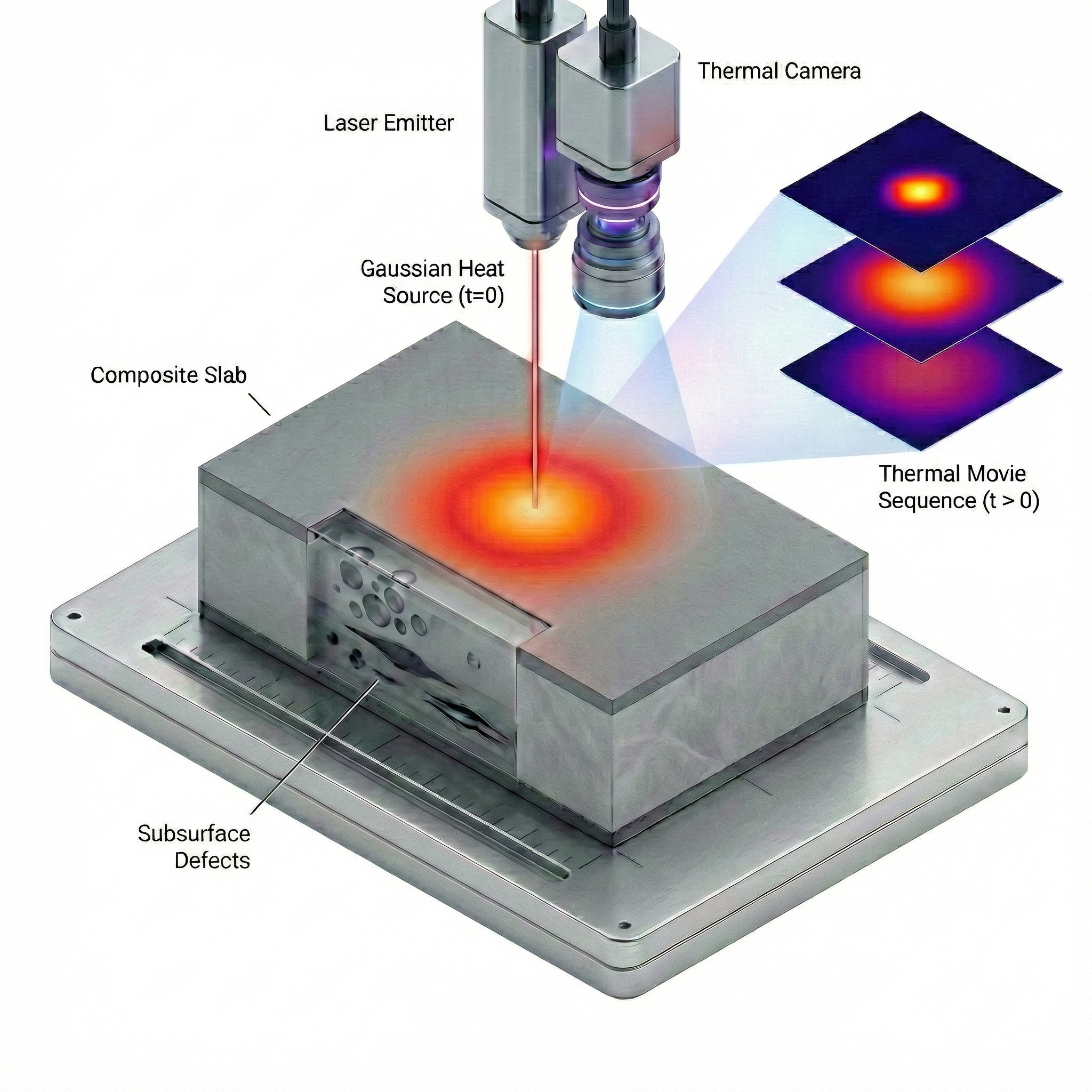
Neural Field Thermal Tomography: A Differentiable Physics Framework for Non-Destructive Evaluation
Tao Zhong, Yixun Hu, Dongzhe Zheng, Aditya Sood, Christine Allen-Blanchette NeurIPS, 2026 project page / arXiv We propose NeFTY, a framework that enables accurate 3D thermal tomography by combining continuous neural fields with a differentiable physics solver to recover subsurface defects from surface temperature data. |
|
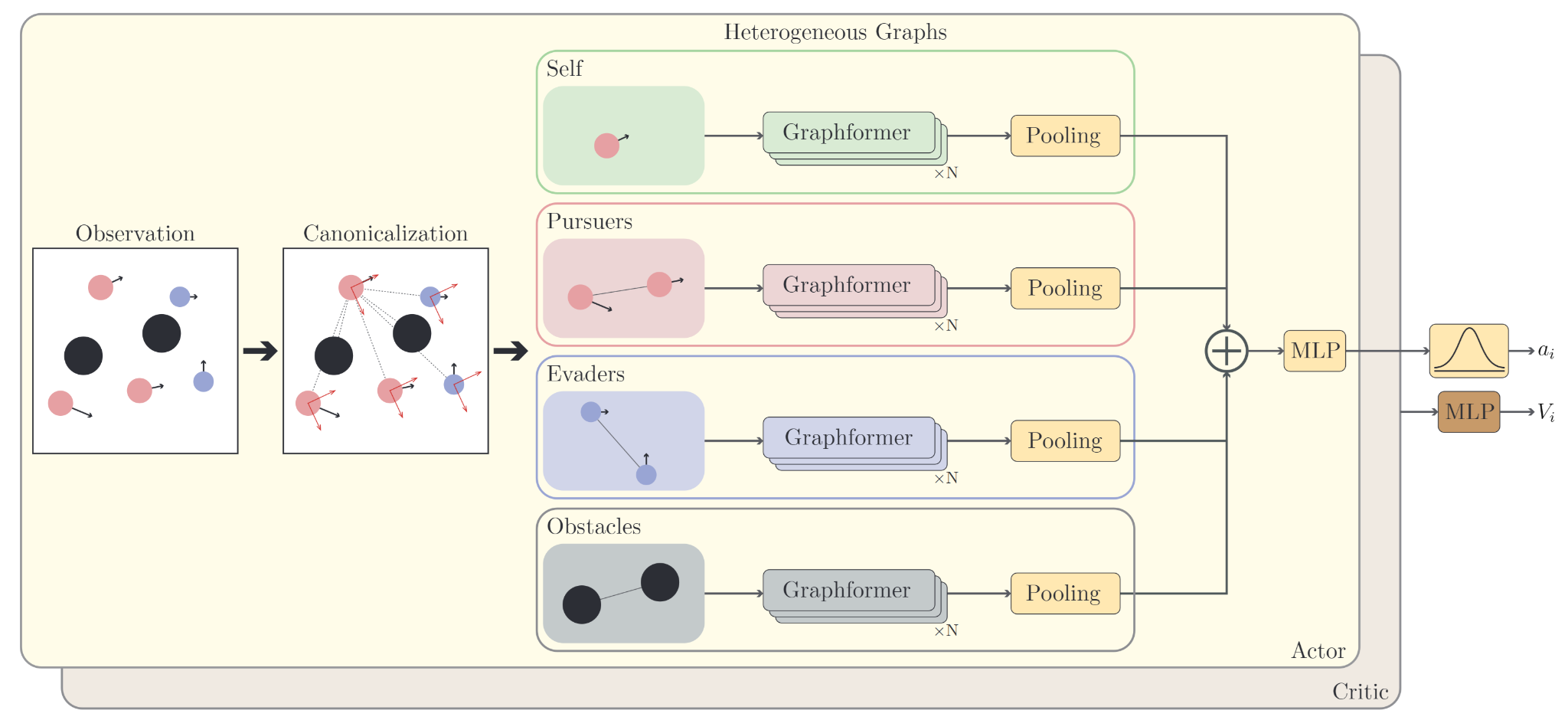
Local-Canonicalization Equivariant Graph Neural Networks for Sample-Efficient and Generalizable Swarm Robot Control
Keqin Wang*, Tao Zhong*, David Chang, Christine Allen-Blanchette IROS, 2026 project page / arXiv We introduce LEGO, a symmetry-aware graph neural network framework that enables sample-efficient, scalable, and generalizable swarm robot control across diverse team sizes and environments. |
|
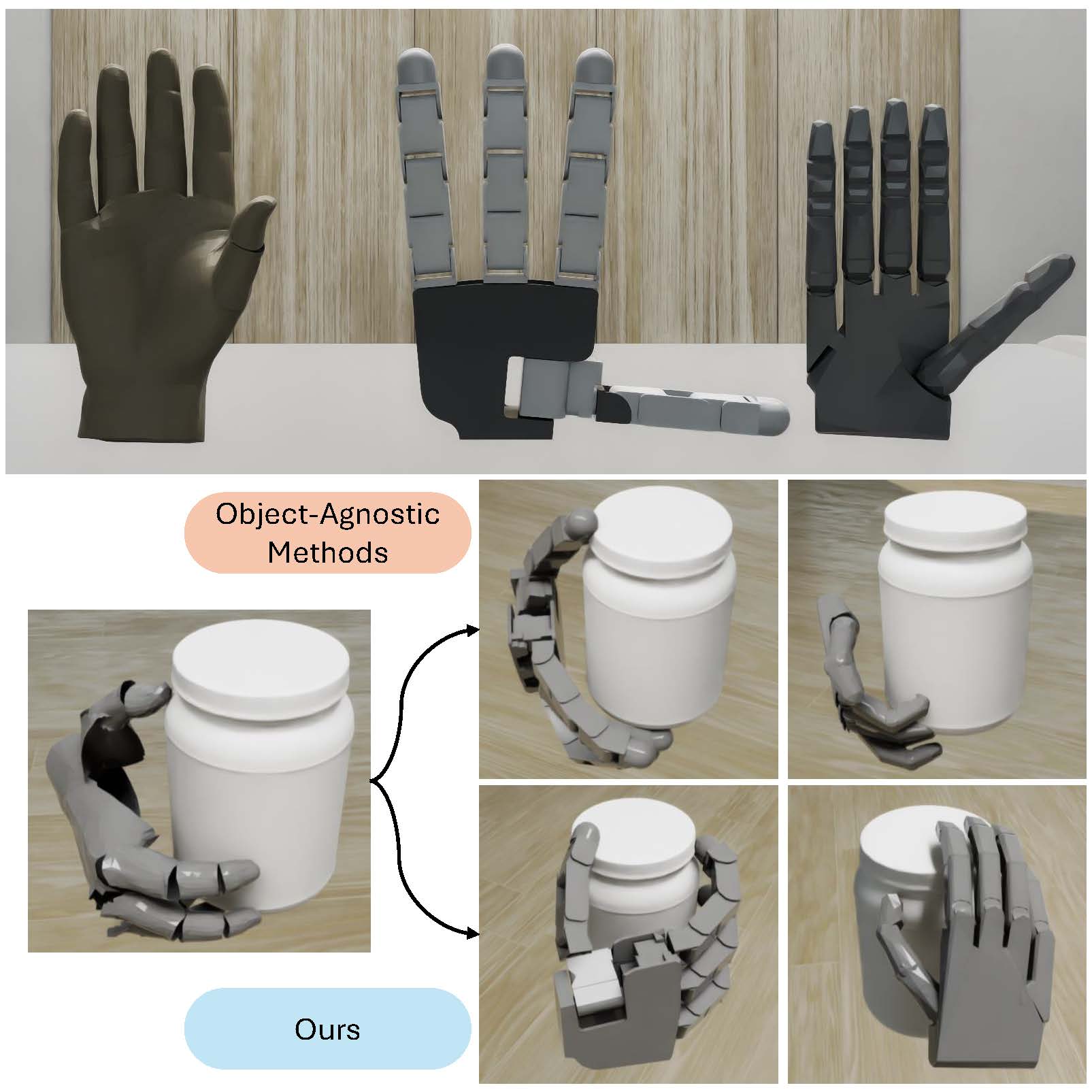
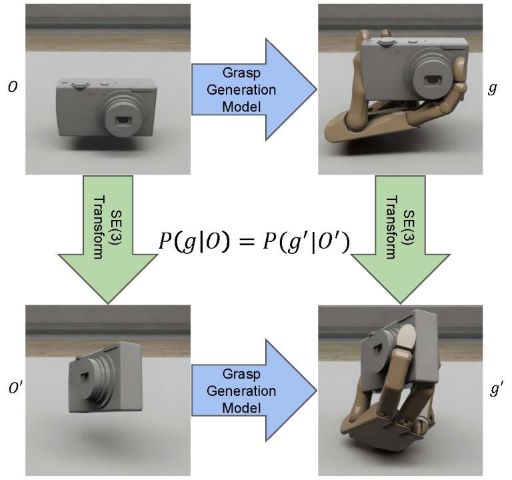
Grasp2Grasp: Vision-Based Dexterous Grasp Translation via Schrödinger Bridges
Tao Zhong, Jonah Buchanan, Christine Allen-Blanchette NeurIPS, 2025 project page / arXiv Grasp2Grasp enables simulation-free, vision-based translation of dexterous grasps across robot hands using Schrödinger Bridges with physics-aware costs for stable, functionally aligned grasps. |
|
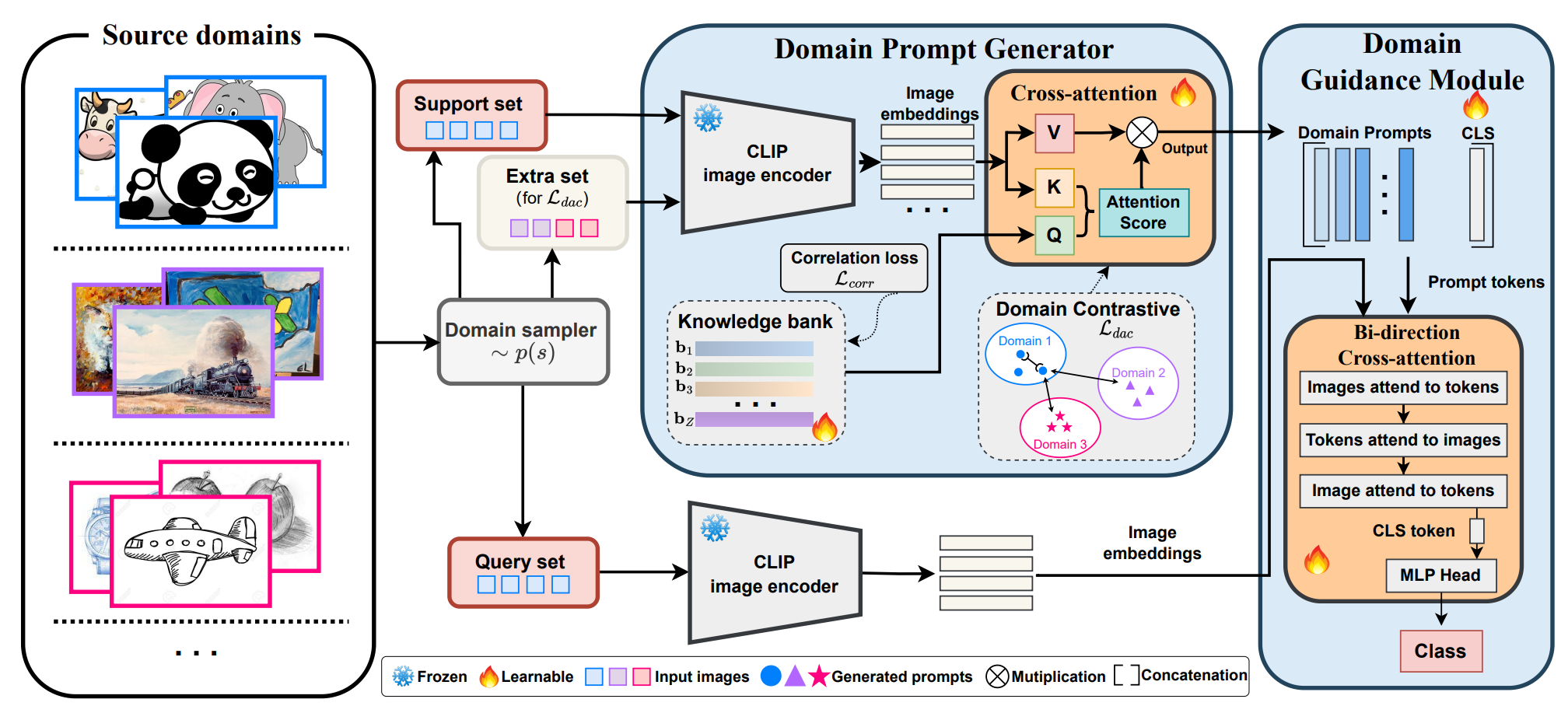
GAGrasp: Geometric Algebra Diffusion for Dexterous Grasping
Tao Zhong, Christine Allen-Blanchette ICRA, 2025 project page / arXiv GAGrasp uses a geometric algebra diffusion model to generate robust, physically plausible dexterous grasps that are naturally equivariant to an object's pose. |
|
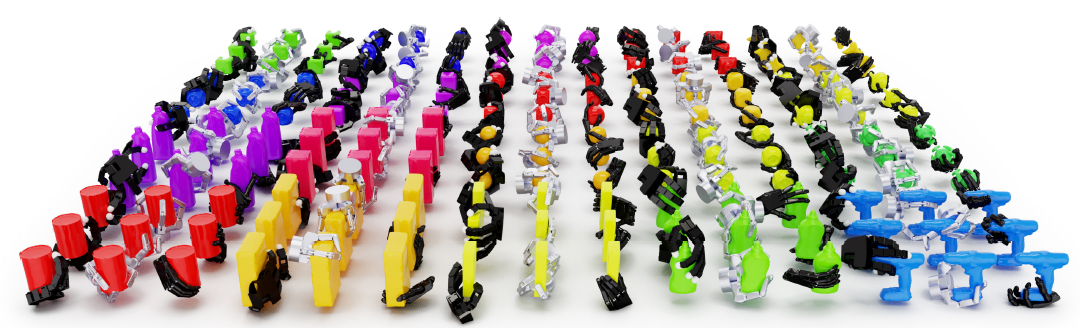
Adapting to Distribution Shift by Visual Domain Prompt Generation
Zhixiang Chi*, Li Gu*, Tao Zhong, Huan Liu, Yuanhao Yu, Konstantinos N Plataniotis, Yang Wang ICLR, 2024 project page / arXiv We introduce VDPG, a method that adapts large models to new visual domains at test-time using only a few unlabeled images to generate a domain-specific prompt that guides the model's features. |
|
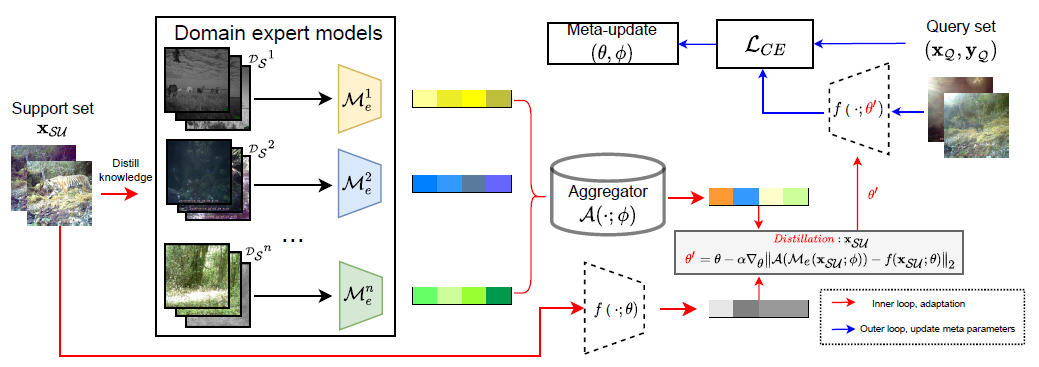
Fast-Grasp'D: Dexterous Multi-finger Grasp Generation Through Differentiable Simulation
Dylan Turpin, Tao Zhong, Shutong Zhang, Guanglei Zhu, Eric Heiden, Miles Macklin, Stavros Tsogkas, Sven Dickinson, Animesh Garg ICRA, 2023 project page / arXiv This paper presents Fast-Grasp'D, a differentiable simulator that rapidly generates Grasp'D-1M, a large dataset of stable, contact-rich, multi-finger grasps for robotic learning. |
|
Meta-DMoE: Adapting to Domain Shift by Meta-Distillation from Mixture-of-Experts
Tao Zhong*, Zhixiang Chi*, Li Gu*, Yang Wang, Yuanhao Yu, Jin Tang NeurIPS, 2022 arXiv / Code We propose Meta-DMoE, a framework that adapts to domain shifts by using a meta-learned aggregator to distill knowledge from specialized expert models into a student network for fast test-time adaptation. |
Software & Projects |
|
|
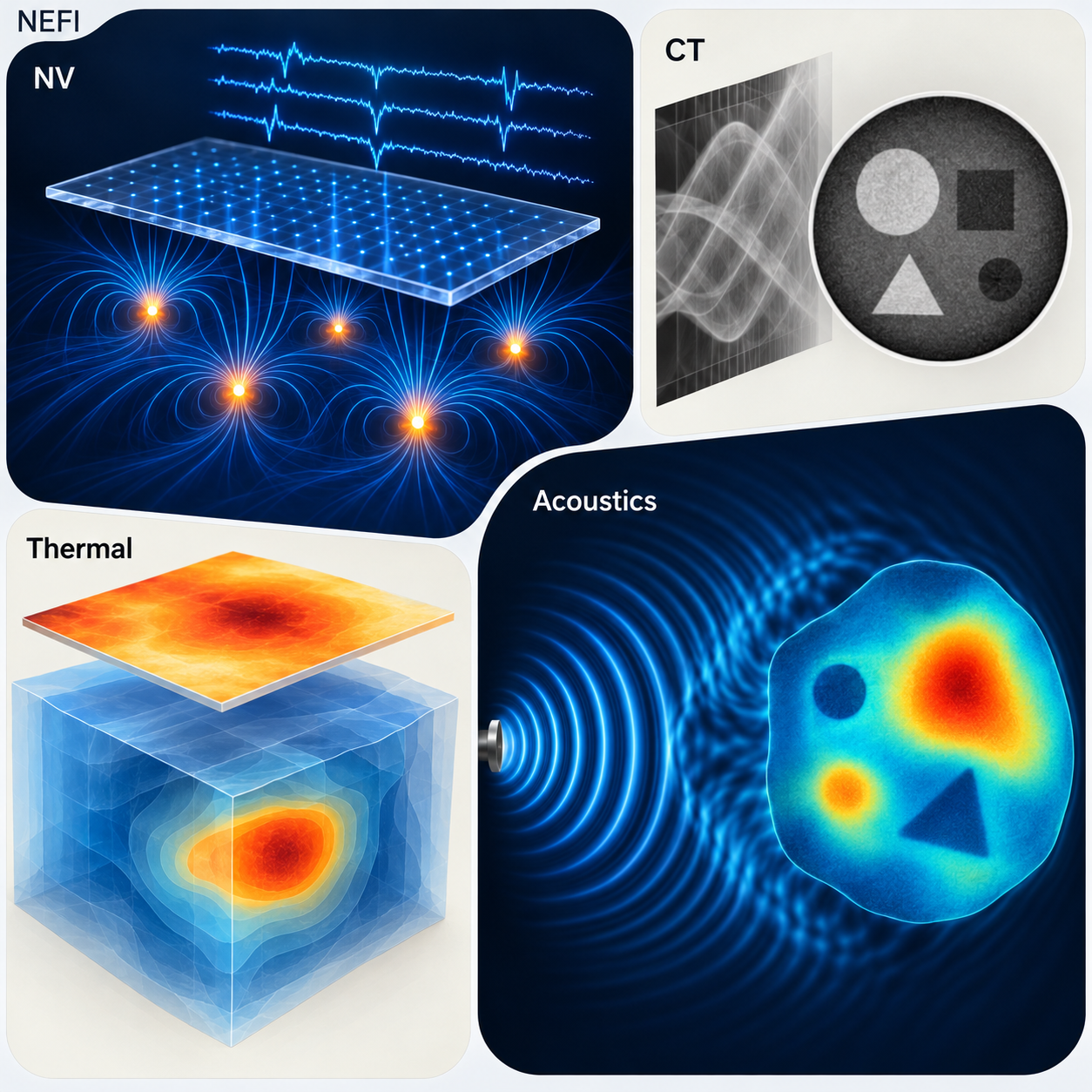
NEFI: Neural-Field Inversion with Differentiable Physics
Open-source software documentation / code A PyTorch toolkit for inverse imaging and sensing with neural fields and differentiable physics, unifying reconstruction, benchmarking, and diagnostics across modalities without training data. |
Education |

|
Princeton University
Ph.D. in Mechanical and Aerospace Engineering (Robotics Track) 2023.09 - Present cGPA: 4.0 |

|
University of Toronto
B.A.Sc. in Engineering Science with High Honours Major in Robotics Engineering, Minor in Artificial Intelligence 2018.09 - 2023.06 cGPA: 3.81 |
Miscellanea |
Academic Service |
Reviewer, ICML (2026), NeurIPS (2025, 2026), ICLR (2025, 2026, 2027), TMLR, RA-L, L4DC (2024, 2026), AAAI (2027), |
Teaching |
Teaching Assistant, MAE433 Fall 2025, MAE206 Spring 2026, Princeton University |